
Most African specialists practise in a handful of cities, while most patients live everywhere else. Telemedicine — done well — shrinks that distance. A district nurse can consult a cardiologist, a rural mother can reach a paediatrician, and a small facility can offer services it could never staff on its own.
What is actually working
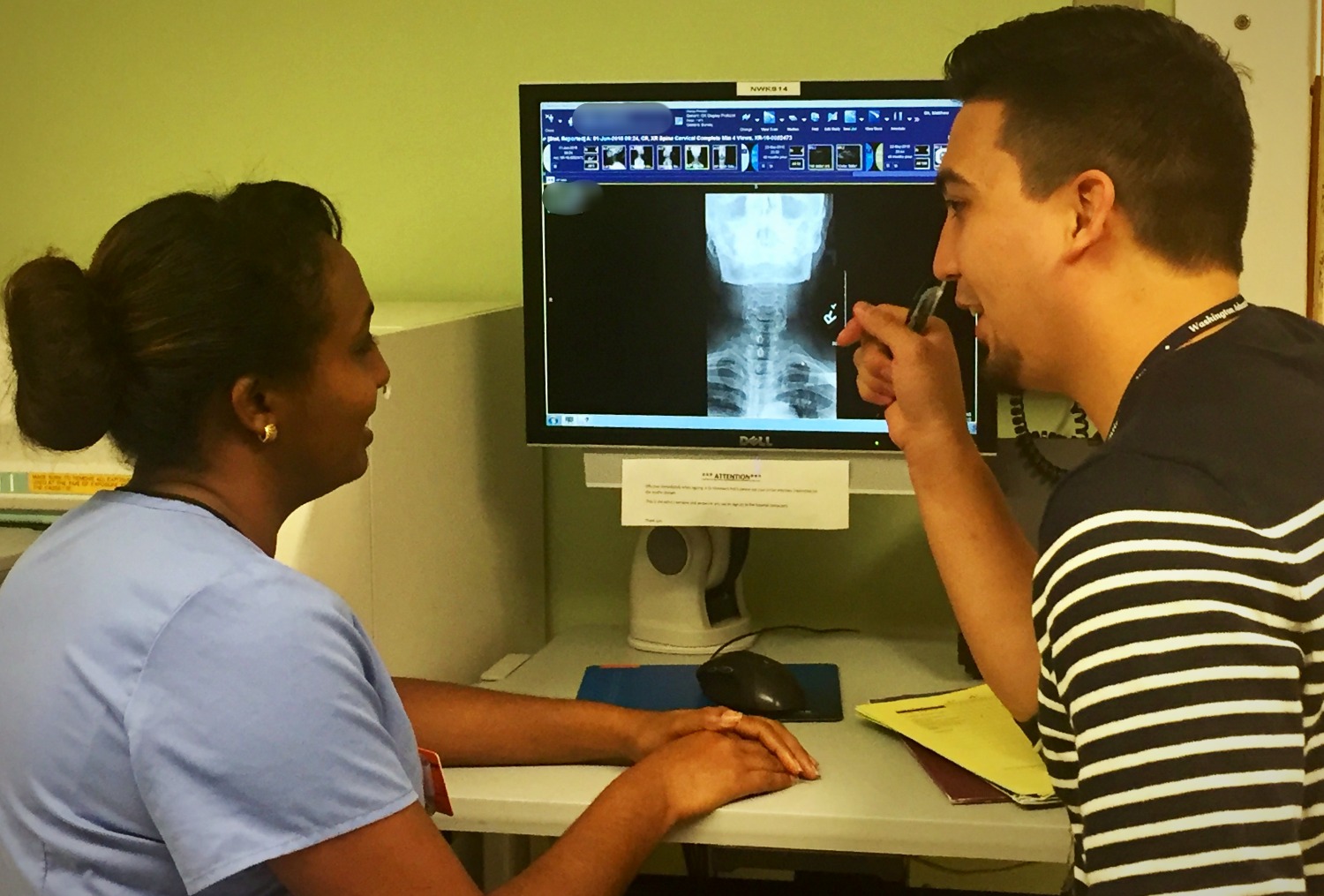
The success stories share a pattern. Store-and-forward teleradiology lets a single radiologist serve many facilities overnight. Tele-mentoring models such as ECHO turn weekly video sessions into continuous specialist education for rural clinicians. And simple structured WhatsApp or SMS pathways, governed by clear protocols, are triaging referrals in places where bandwidth is scarce.
The barriers are rarely the technology
Smartphones are everywhere; the harder problems are workflow and governance. Who is legally responsible for a remote opinion? How is the consultation documented in the patient record? Who pays — the patient, the facility, or the scheme? Programmes that answer these questions before buying equipment succeed far more often.
Start small, integrate deeply
The strongest advice from a decade of pilots: start with one clinical pathway — antenatal risk assessment, dermatology photos, ECG interpretation — and integrate it into the routine record and referral system. A telemedicine service that lives outside the normal workflow dies when the pilot funding ends.
Technology with a plan
QualCare Africa helps facilities and programmes select, implement, and govern digital health tools — from telemedicine pathways to Health Information Systems — so technology serves care rather than distracting from it. Learn about our technology integration services.