
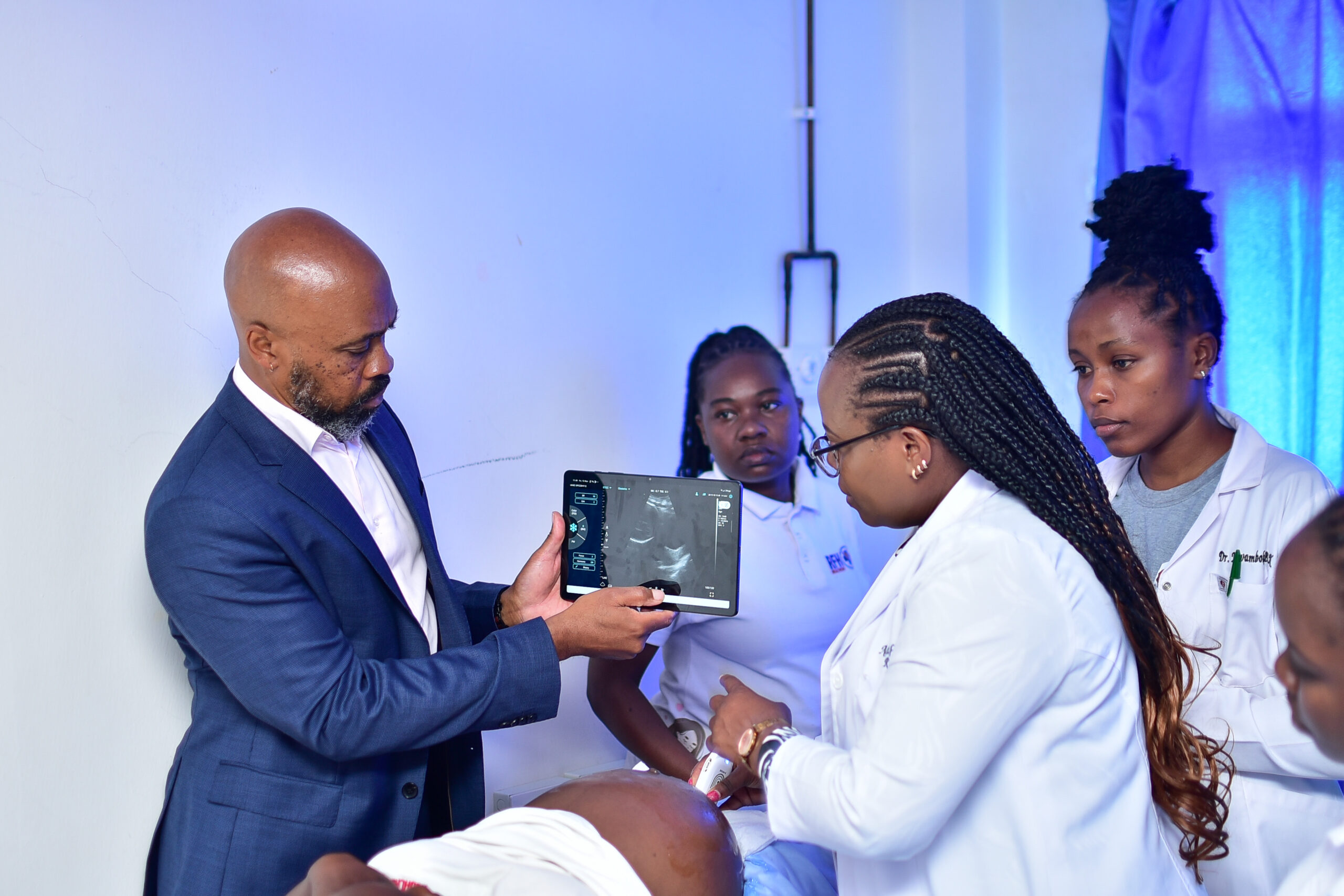
Across Africa, healthcare professionals work in fast-changing environments: new treatment guidelines, new technologies, and rising patient expectations. Yet many clinicians finish formal schooling and then go years without structured learning. Continuing Professional Development (CPD) closes that gap — and when it is accredited, it protects both the professional and the patient.
What CPD accreditation actually guarantees
Accredited programmes are reviewed by professional regulators or recognised bodies to confirm that the content is evidence-based, the trainers are qualified, and the learning outcomes are measurable. For the clinician, that means the hours you invest count toward licence renewal. For employers, it means the certificate on the wall reflects real, verifiable competence.
The difference it makes at the bedside
Studies consistently link structured continuing education to better adherence to clinical guidelines, earlier recognition of deteriorating patients, and fewer avoidable errors. In resource-constrained settings the effect is often larger, because a single upskilled clinician may be the only trained provider for an entire catchment area.
What to look for in a programme
Before enrolling, ask three questions. First, is the course accredited by your professional board or an internationally recognised body? Second, is it practical — does it include hands-on skill stations, case discussions, or supervised practice rather than lectures alone? Third, does it fit your context — are the protocols and equipment discussed actually available in the facilities where you work?
How QualCare Africa approaches training
Our programmes — from Point-of-Care Ultrasound (POCUS) to healthcare quality management — are built around African clinical realities and delivered by practitioners who work in the region. We blend global best practice with local applicability, so what you learn on Saturday can be used on Monday morning.
Ready to grow? Explore our upcoming courses or talk to our team about training for your facility.